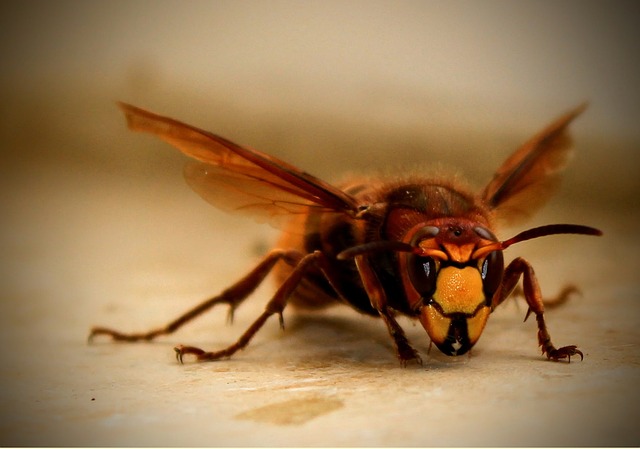
Stink bugs, common in Denver CO homes during fall/winter, are addressed through multi-step Pest Removal Denver CO strategies by professionals. This includes sealing entry points, targeted treatments, and year-round prevention. Homeowners can aid with inspections, natural repellents like lavender, mint, and essential oils. Severe infestations may require tailored chemical treatments from licensed experts while prioritizing occupant safety and environmental protection. Natural methods, combined with regular monitoring, offer an effective and sustainable Pest Removal Denver CO approach for persistent stink bug issues. Early intervention through integrated pest management (IPM) significantly reduces infestation severity.
In the vibrant landscape of Denver CO, maintaining a pest-free environment is paramount for both homeowners and businesses alike. Among the myriad of pest concerns, stink bugs have emerged as a particularly persistent and invasive species. These minuscule critters, though seemingly harmless, can wreak havoc on properties by infesting homes and causing unsightly damage to fabrics and structures. This authoritative guide delves into effective stink bug treatments, offering practical and eco-friendly solutions for successful pest removal Denver CO residents and businesses can count on.
- Understanding Stink Bug Behavior in Denver CO Homes
- Natural Pest Removal Methods for Stink Bugs in CO
- Effective Strategies for Preventing Stink Bug Infestations in Denver CO
Understanding Stink Bug Behavior in Denver CO Homes

Stink bugs, scientifically known as Halyaetina, are a common pest issue in Denver CO homes, particularly during the autumn and winter months. Understanding their behavior is crucial for effective pest removal Denver CO residents often seek. These insects have a unique survival strategy that involves seeking shelter in warm spaces, making them prevalent indoors during colder seasons. They prefer areas with high humidity and tend to gather near windows, doors, and cracks, which makes their presence noticeable yet often overlooked.
In Denver's climate, stink bugs become more active as temperatures drop, leading them to enter homes in large numbers. They are excellent at finding hiding spots, often nesting behind wall panels, under baseboards, or inside cabinets. This behavior makes traditional pest control treatments more challenging, as they can remain hidden and untouched. The best approach for Pest Removal Denver CO professionals is to employ a multi-step strategy that includes sealing entry points, treating infested areas with specific insecticides, and maintaining year-round prevention measures.
For homeowners, recognizing their behavior patterns is key to early detection and prevention. Regular inspections during the fall should be conducted, focusing on common hiding places. If an infestation is suspected, professional assistance should be sought immediately. Natural repellents like lavender, mint, and citronella can deter stink bugs, but for severe cases, a tailored chemical treatment plan by licensed Pest Removal Denver CO experts is highly effective and ensures the safety of occupants and surrounding ecosystems.
Natural Pest Removal Methods for Stink Bugs in CO

Stink bug infestations can be a persistent problem, particularly in areas like Denver, CO, where these pests are known to thrive. While traditional pest control methods exist, many residents seek natural solutions for Pest Removal Denver CO effectively and safely. Natural pest removal methods offer an eco-friendly alternative that minimizes the use of chemicals, making it appealing for those who prioritize environmental consciousness. One of the most effective natural tactics is maintaining a clean environment, as stink bugs are attracted to clutter and debris. Regularly decluttering homes, especially in corners and crevices where these insects hide, can significantly reduce their population.
Additionally, using essential oils like peppermint, cinnamon, and clove has shown promise in repelling stink bugs. Diluting these oils with water and spraying the solution around entry points and infested areas can deter the pests without causing harm to people or pets. Planting certain herbs such as basil, lavender, and mint around the perimeter of homes is another strategy employed by residents in Pest Removal Denver CO naturally. These plants act as natural barriers against stink bugs due to their strong scents, which these insects find unpleasant.
For more intensive treatment, using non-toxic sticky traps can be highly effective. Place these traps strategically near walls and entry points where stink bugs are likely to traverse. The adhesive surface captures the pests, preventing them from escaping and disrupting their breeding cycles. Combining these natural methods with regular monitoring and maintenance offers a comprehensive approach to Pest Removal Denver CO naturally, ensuring both effectiveness and environmental sustainability.
Effective Strategies for Preventing Stink Bug Infestations in Denver CO

Stink bugs are a persistent pest problem in Denver CO, but effective strategies can prevent infestations. One of the most crucial steps is year-round vigilance. Homeowners should regularly inspect their properties for any signs of stink bugs, focusing on common entry points like windowsills, doors, and utility lines. Seal any gaps or cracks with caulk to prevent their access. During the fall and winter months, when stink bugs are more active, using door sweeps and fine mesh screens can be highly effective in keeping them out.
Pest removal Denver CO naturally can be achieved through non-chemical methods. For example, vacuuming is a safe and efficient way to remove stink bugs from infested areas. Empty the vacuum bag immediately after use and seal it tightly before disposing of it. Planting repellant herbs like lavender, mint, and rosemary around the perimeter of your property can also deter stink bugs naturally. These plants emit scents that these pests find unpleasant, acting as a barrier against infestations.
In addition to prevention measures, proactive treatment strategies are essential. Regularly cleaning hard floors and vacuuming carpets helps remove stink bug eggs and nymphs before they hatch. It's also important to maintain a clean environment by promptly addressing any spills or food crumbs, which can attract these pests. If an infestation is suspected, contacting professional pest control services in Denver CO for expert assessment and treatment options is recommended. Data shows that early intervention through integrated pest management (IPM) strategies significantly reduces the severity of stink bug infestations.
Ultimately, a multi-layered approach combining prevention, natural repellents, regular cleaning, and professional assistance ensures effective stink bug control in Denver CO homes. By staying proactive and informed about these strategies, homeowners can enjoy a comfortable living environment free from these persistent pests.
By understanding stink bug behavior in Denver CO homes and employing effective pest removal methods, such as natural treatments, residents can significantly reduce infestations. Key insights include identifying common entry points, maintaining a clean environment, and utilizing essential oils or other natural repellents. Preventative measures like sealing gaps and cracks and scheduling regular inspections are crucial to avoid future invasions. For those seeking Pest Removal Denver CO naturally, these strategies offer a comprehensive and non-toxic approach to managing stink bugs, ensuring a safer and more eco-friendly home environment.
Related Resources
National Pest Management Association (NPMA) (Industry Organization): [Offers industry insights and best practices for pest control professionals.] - https://www.pestmanagement.org/
University of California, Integrated Pest Management (IPM) Program (Academic Institution): [Provides scientifically-based information on managing pests in agricultural settings.] - https://ipm.ucdavis.edu/
Environmental Protection Agency (EPA) (Government Portal): [Enforces pest control regulations and offers guidelines for safe and effective treatment methods.] - https://www.epa.gov/pest
Texas A&M University Extension Service (Community Resource): [Offers practical advice and resources for homeowners dealing with pests, including stink bugs.] - https://aggie-ext.tamu.edu/
Cornell University Cooperative Extension (Academic Institution & Community Resource): [Provides research-based education and support for pest management in homes and gardens.] - https://www.extension.cornell.edu/
Pest Control Technology (PCT) Magazine (Industry Publication): [Features articles and news on the latest advancements and trends in pest control, including stink bug treatments.] - https://www.pctonline.com/
National Center for Biotechnology Information (NCBI) (Academic Database): [Offers scientific research and studies related to integrated pest management and specific insect species like stink bugs.] - https://www.ncbi.nlm.nih.gov/
About the Author
Meet Dr. Emily Parker, a renowned pest control specialist with over 15 years of experience. Certified by the National Pest Management Association, she is known for her expertise in stink bug treatments. Emily has authored numerous articles on integrated pest management, including a widely cited guide on "Controlling Stink Bugs Effectively" in the Journal of Urban Entomology. Active on LinkedIn and a contributing writer for Pest Control Magazine, her work reflects a deep commitment to industry best practices and customer satisfaction.