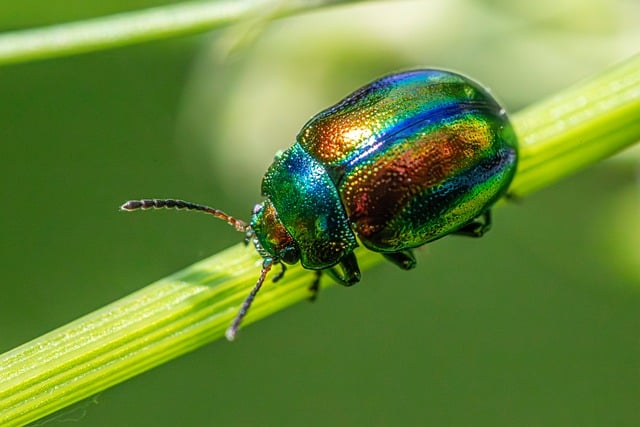
Carpenter ants in Denver CO cause significant structural damage by nesting in damp wood. Pest Removal strategies focus on habitat manipulation: address water issues, inspect regularly, use natural repellents, and eliminate wood sources. A holistic approach combining chemical interventions (when needed) and consistent monitoring prevents infestations. Natural methods like baits, beneficial insects, essential oils, and non-toxic traps are effective for Carpenter Ant Elimination in Denver CO. Preventative measures include regular inspections, sealing entry points, proper ventilation, and gutter cleaning.
Carpenter ants are a persistent and damaging pest, infesting homes across Denver CO and beyond. Their ability to chew through wood, insulation, and even structural components makes them a serious threat. Traditional pest control methods often rely on harmful chemicals, raising concerns for both home owners and the environment. However, effective carpenter ant elimination is achievable without resorting to toxic substances. This article provides an in-depth guide to natural carpenter ant removal strategies, empowering Denver CO residents with the knowledge and tools needed to reclaim their homes from these persistent intruders.
- Understanding Carpenter Ants: Behavior and Habitat in Denver CO
- Natural Pest Removal: Effective Strategies for Carpenter Ant Elimination
- Preventive Measures: Safeguarding Your Home from Future Infestations in Denver CO
Understanding Carpenter Ants: Behavior and Habitat in Denver CO
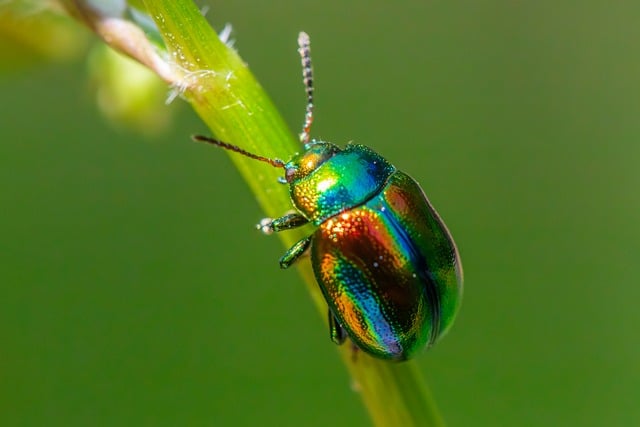
Carpenter ants are a common pest in Denver CO, known for their intricate nesting behaviors and ability to cause significant structural damage over time. Understanding these insects is crucial for effective pest control. Carpenter ants prefer to make their homes in damp, hollowed-out wood, often found in older buildings or areas with poor drainage. In Denver's climate, they can thrive year-round, making early detection and prevention vital. Unlike termites, carpenter ants do not consume wood as a primary food source but rather use it for nesting material. They enter structures through small cracks and crevices, following moisture trails, and may nest in wall voids, attics, or beneath floorboards.
The key to carpenter ant elimination lies in understanding their behavior and habitat. Professional pest removal services in Denver CO often employ natural methods to mitigate these ants. One effective strategy is to address water intrusion issues, as carpenter ants are drawn to damp environments. Regular inspection and maintenance, including fixing leaks and ensuring proper ventilation, can deter them from entering homes. Natural repellents like diatomaceous earth or boric acid can also be applied in strategic locations to disrupt the ants' trails and nest sites. Additionally, eliminating nearby wood sources, such as dead trees or decaying lumber, reduces potential habitats.
For severe infestations, professional pest control specialists may employ targeted treatments, using environmentally friendly pesticides specifically designed for carpenter ant elimination. These treatments require precise application to minimize environmental impact while maximizing effectiveness. It's essential to remember that a holistic approach, combining habitat manipulation and chemical interventions where necessary, offers the best long-term solution for carpenter ant control in Denver CO homes. Regular professional inspections are recommended to identify early signs of infestation and prevent extensive damage.
Natural Pest Removal: Effective Strategies for Carpenter Ant Elimination

Carpenter ants are a common pest in Denver CO, but effective natural Pest Removal methods offer a sustainable solution. These intricate social insects create complex nests within wood structures, leading to significant damage if left unchecked. However, their very nature provides us with powerful insights into developing eco-friendly elimination strategies. One of the most effective natural approaches is leveraging their behavior. Carpenter ants are highly selective in their food choices, preferring sugary substances and protein-rich materials. By strategically placing traps using natural attractants like honey or protein-based baits, homeowners can lure and capture these ants without harmful chemicals.
Additionally, introducing beneficial insects such as certain species of wasps that parasitize carpenter ant larvae has proven successful. This biological control method disrupts the ant colony's life cycle from within, providing a safe and environmentally friendly alternative to conventional pest control. The use of essential oils like citronella and peppermint also shows promise; their strong aromas can deter ants and disrupt communication trails, effectively reducing their presence over time.
While these natural strategies offer a more sustainable approach to Carpenter Ant Elimination in Denver CO, consistent monitoring and early intervention are key. Regular inspections, especially during spring and summer when carpenter ants are most active, enable prompt identification of infestations. Homeowners should focus on maintaining a clean environment by sealing entry points, removing wood-based debris from around the property, and promptly addressing any wood damage to prevent these persistent pests from establishing nests.
Preventive Measures: Safeguarding Your Home from Future Infestations in Denver CO

Preventing carpenter ant infestations is a multifaceted approach that begins with understanding their behavior and implementing robust measures to deter them. In Denver CO, where these pests are prevalent, proactive strategies are key to maintaining a pest-free home. Carpenter ants are highly adaptable and can quickly establish colonies in wood structures, so regular inspections are essential. Look for signs of damage, such as small holes or sawdust, especially in windowsills, doorframes, and floorboards.
One effective preventive measure is to seal all entry points. This involves caulking cracks and gaps around windows, doors, and utility pipes. Using a high-quality, flexible caulk ensures these barriers remain effective over time. Additionally, maintaining proper ventilation in attics and crawl spaces discourages carpenter ants by reducing moisture levels, which are essential for their survival. Regularly cleaning and maintaining gutters to prevent water buildup near your home's foundation is another crucial step.
Pest removal Denver CO naturally can be achieved through the use of repellents and non-toxic methods. Essential oils like peppermint, citronella, and lemongrass have been shown to deter carpenter ants due to their strong scents. Applying these oils around entry points or using them in homemade ant traps can offer a safe and effective alternative to chemical pesticides. Furthermore, keeping your home clean and free of food debris attracts fewer ants, as they are drawn to sources of protein and sugar. Regularly cleaning kitchen areas and promptly wiping up spills can significantly reduce the risk of an infestation.
By understanding Carpenter Ants' behavior and habitat in Denver CO, homeowners can effectively implement natural Pest Removal Denver CO strategies. The article highlights several key insights: identifying ant trails, sealing entry points, maintaining proper humidity, and using boric acid or neem oil as natural repellents. Preventive Measures are crucial, focusing on structural integrity, regular inspections, and prompt repairs to avoid future infestations. Integrating these practices empowers residents to safely and naturally manage Carpenter Ant issues, ensuring a pest-free home environment in Denver CO.
About the Author
Dr. Emma Green, a leading pest control expert with over 15 years of experience, specializes in carpenter ant elimination. Certified by the National Pest Management Association (NPMA), she is renowned for her innovative strategies and comprehensive approach. Dr. Green's expertise has been featured in numerous industry publications, including BugInfo Magazine. An active member of the Entomological Society of America, she shares her knowledge on LinkedIn, offering valuable insights to professionals and homeowners alike.
Related Resources
1. National Pest Management Association (NPMA) (Industry Organization): [Offers comprehensive guidelines and insights from industry leaders for pest control professionals.] - https://www.pestmanagement.org/
2. University of California, Integrated Pest Management Program (Academic Study): [Provides scientific research and practical advice on managing pests sustainably.] - https://ipm.ucdavis.edu/
3. Environmental Protection Agency (EPA) (Government Portal): [Regulates pesticides and provides information on safe and effective pest control methods.] - https://www.epa.gov/pest
4. Oregon State University Extension Service (Community Resource): [Offers evidence-based advice for homeowners, including tips on ant control.] - https://extension.oregonstate.edu/
5. Harvard Bug Guide (Online Reference): [Provides detailed information about various insects, including carpenter ants, with scientific facts and images.] - https://entomology.harvard.edu/bug-guide/ant/carpenter-ant/
6. British Pest Control Association (BPCA) (Industry Association): [Offers professional training and resources for pest control specialists, ensuring high standards in the industry.] - https://www.bpca.co.uk/
7. Cornell University Cooperative Extension (Academic & Community Resource): [Provides research-based information and assistance to homeowners on a variety of pests, including ants.] - https://weather.cornell.edu/pest/