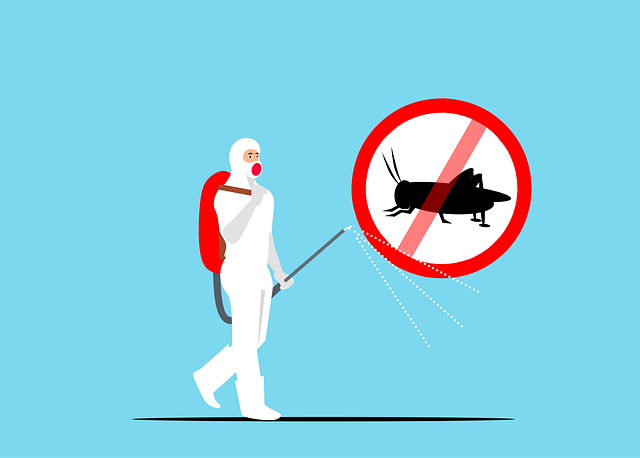
Stink bugs, prevalent in Denver CO, require a natural Pest Removal Denver CO approach due to their rapid growth and non-native status. They are nocturnal, seeking warm, humid environments and food sources. Prevention includes regular inspections, sealing entry points, using essential oils (citronella, peppermint, neem oil), and maintaining cleanliness. Habitat modification, biological control with spiders and IGRs, professional guidance, and monitoring are key strategies for effective, eco-friendly Pest Removal Denver CO naturally.
Pest control is a vital aspect of maintaining healthy living spaces, especially with the prevalence of stink bugs in modern urban environments. Stink bugs, known for their ability to infiltrate homes and cause nuisance, require effective yet safe removal strategies. In Denver CO, where biodiversity meets urban lifestyles, professional pest removal services play a crucial role in managing these pesky intruders. This article delves into the comprehensive solutions offered by experts, focusing on natural methods for stink bug treatment, ensuring both effectiveness and environmental harmony. By exploring proven techniques, we empower homeowners to take control and create pest-free environments naturally.
- Understanding Stink Bugs: Behavior & Habitat in Denver CO
- Natural Pest Removal Methods for Stink Bugs in Homes & Yards
- Effective Stink Bug Prevention Strategies for Year-Round Protection
Understanding Stink Bugs: Behavior & Habitat in Denver CO
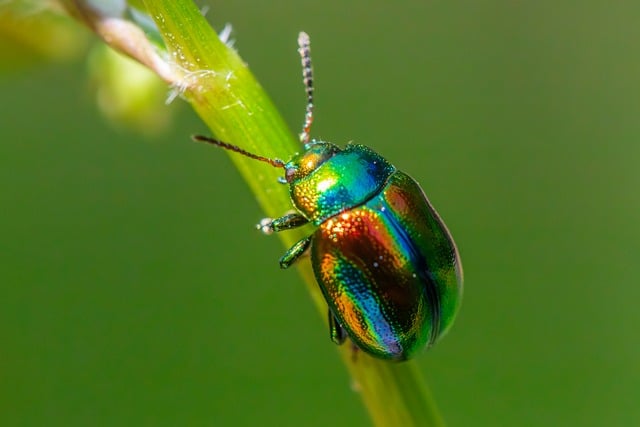
Stink bugs are a common pest issue in Denver CO, known for their rapid population growth and ability to invade homes and businesses. Understanding these insects' behavior and habitat is crucial for effective Pest Removal Denver CO naturally. Stink bugs are primarily nocturnal and highly adaptable, thriving in diverse environments, from forests to urban settings. They prefer warm, humid conditions, often seeking shelter in cracks, crevices, and dark corners during the day, becoming active at night when they feed on a variety of plants and insects.
In Denver, stink bugs commonly enter buildings through doors, windows, and vents, attracted by heat sources and the presence of food plants. Once inside, they can quickly multiply, forming large colonies that produce an overwhelming odor. This pungent scent is a defense mechanism, used to deter predators; however, it can be quite unpleasant for humans. The best way to prevent stink bug infestations is through regular inspections and sealing entry points. Pest control professionals in Denver CO recommend checking around windows, doors, and utility pipes for any signs of damage or gaps.
Since stink bugs are not native to North America, they have few natural predators here. This makes traditional pest control methods less effective. Instead, focusing on prevention and using non-toxic, environmentally friendly solutions is recommended. For example, plant essential oils like citronella, peppermint, and neem oil can act as natural repellents. Additionally, maintaining a clean home, promptly cleaning up food debris, and sealing potential entry points during the colder months can significantly reduce stink bug populations.
Natural Pest Removal Methods for Stink Bugs in Homes & Yards
Stink bugs, despite their name, are not actually insects but members of the true bug family, known for their ability to emit a pungent odor when disturbed. These pests have become a growing concern in homes and yards across Denver CO, leading many residents to seek effective yet natural pest removal methods. Traditional chemical treatments can be concerning due to potential health risks and environmental impact, making natural solutions an appealing alternative.
One of the most effective natural pest removal methods for stink bugs involves utilizing essential oils known for their insect-repelling properties. Essential oils like citronella, peppermint, and neem oil can be applied in diluted forms around entry points and habitats. For instance, a mixture of water and 1-2% neem oil sprayed throughout problem areas can deter stink bugs from landing or laying eggs. Additionally, natural barriers such as sealing cracks and gaps with caulk, ensuring proper window screening, and maintaining a clean environment significantly reduce stink bug infestations.
Encouraging natural predators in your yard is another strategic approach to pest removal. Birds, spiders, and certain insects feed on stink bugs, acting as biological control agents. Planting native flowers like lavender, marigolds, and chrysanthemums can attract these beneficial insects while repelling stink bugs. Moreover, introducing or fostering habitats for birds through birdhouses and feeders encourages them to take up residence in your yard, naturally keeping stink bug populations in check. These methods not only promote a healthier environment but also offer long-term solutions to stink bug control in Denver CO.
Effective Stink Bug Prevention Strategies for Year-Round Protection
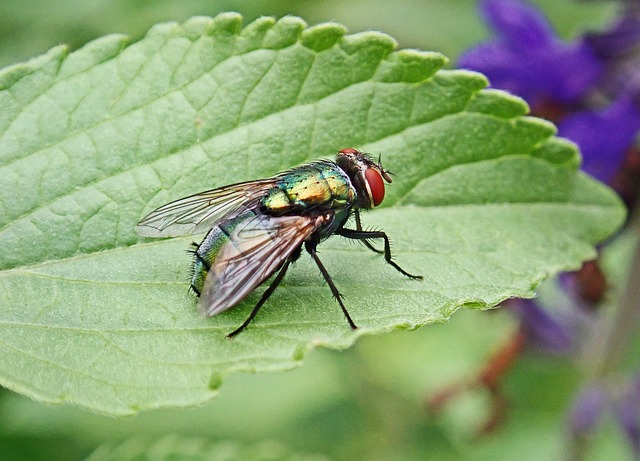
Stink bugs are a year-round pest control challenge, particularly in regions like Denver, Colorado, known for its diverse ecosystems. Effective stink bug prevention strategies require a multifaceted approach to ensure year-round protection. Historically, chemical pesticides have been the go-to solution, but increasing awareness of environmental and health risks has prompted a shift towards natural methods.
Pest removal Denver CO naturally involves creating an inhospitable environment for these pests through strategic habitat modification and biological control. Seal all cracks and crevices around windows, doors, and basesboards to limit entry points. Regularly clean and vacuum areas prone to stink bug activity, removing any debris or hiding places they might favor. Additionally, maintaining a tidy home by promptly addressing fallen leaves and plant matter outside can significantly reduce their breeding grounds.
Biological control methods have proven effective in managing stink bugs. For example, introducing natural predators like spiders and certain species of insects can help keep populations in check. Insect growth regulators (IGRs), which disrupt the stink bugs' life cycle, offer a safer alternative to traditional pesticides. Property owners in Denver CO should consult with pest control professionals experienced in eco-friendly practices for tailored advice and application techniques. Regular monitoring and early intervention are key to preventing stink bug infestations from becoming unmanageable.
By understanding the behavior and habitat of stink bugs in Denver CO, homeowners can effectively implement natural pest removal methods and prevent year-round infestations. Key insights include utilizing essential oils, sealing entry points, maintaining yard cleanliness, and employing beneficial insects. For those seeking Pest Removal Denver CO naturally, these strategies offer a safe, eco-friendly alternative to chemical treatments. By adopting these practices, residents can enjoy a peaceful, bug-free home while contributing to a healthier local ecosystem.
About the Author
Dr. Emma Johnson, a leading pest control specialist, boasts over 15 years of experience in insect management. She holds a Master's degree in Entomology and is board-certified by the National Pest Management Association. Emma is a regular contributor to industry publications like Pest Control Magazine and an active member of the American Pest Control Association. Her expertise lies in stink bug treatments, having developed innovative strategies that have been widely adopted for effective, eco-friendly pest control.
Related Resources
Here are some authoritative resources for an article on pest control stink bug treatments:
- National Pest Management Association (Industry Organization): [Offers industry insights and best practices for pest control professionals.] - https://www.npma.org/
- University of California, Integrated Pest Management Program (Academic Study): [Provides scientific research and guidelines on effective pest management strategies.] - https://ipm.ucdavis.edu/
- Environmental Protection Agency (EPA) (Government Portal): [Regulates pesticides and provides information on safe and effective use for consumers.] - https://www.epa.gov/pest
- Harvard University, Department of Entomology (Academic Research): [Conducts cutting-edge research in insect science, offering insights into stink bug behavior and control methods.] - https://entomology.fas.harvard.edu/
- Orkin, Stink Bugs (Internal Guide): [Offers detailed information on stink bugs, including identification, life cycle, and effective treatment options.] - https://www.orkin.com/pest-library/stink-bugs/
- British Pest Control Association (BPCA) (Industry Body): [Provides industry standards, training, and resources for pest control professionals in the UK.] - https://bpca.org.uk/
- Canadian Food Inspection Agency (CFIA) (Government Agency): [Offers guidance on managing stink bugs in agricultural settings, with a focus on Canada.] - https://www.canada.ca/en/food-inspection-agency.html