
Understanding termite behavior is key to effective Pest Removal Denver CO naturally. Western Subterranean Termites thrive in Denver's climate due to wood and moisture. Prevention involves regular inspections, proper drainage, and using termite-resistant materials. Organic solutions like beneficial insects, natural repellents, and physical barriers are favored by Pest Removal Denver CO naturally. Post-treatment care includes regular inspections, sealing entry points, and maintaining a healthy landscape. Proper care can reduce reinfestation risk by up to 75%.
In the bustling landscape of Denver CO, maintaining a pest-free home or property is paramount for comfort and safety. Termites, insidious invaders, can cause significant damage if left unchecked, making effective termite treatment an indispensable aspect of comprehensive pest removal. Our expertise in natural, eco-friendly solutions offers a testament to our commitment to both effective pest control and environmental stewardship. This article delves into the intricate world of termite treatments, providing valuable insights and strategies for navigating this challenging yet manageable issue in Denver CO.
- Understanding Termite Behavior: Prevention in Denver CO
- Effective Termite Treatment Options: A Natural Approach
- Post-Treatment Care: Ensuring Long-Term Pest Removal Success
Understanding Termite Behavior: Prevention in Denver CO

Understanding termite behavior is key to effective pest control and prevention in Denver CO. Termites are social insects that live in colonies, often underground, with complex communication networks. They use pheromones to signal danger and guide fellow termites to food sources. This sophisticated system makes them formidable invaders of homes and structures. In Denver's climate, certain species like the Western Subterranean Termite are prevalent, attracted to the region's abundant wood and moisture.
Prevention is the first line of defense against termites. Regular inspections by professionals specializing in Pest Removal Denver CO naturally can identify vulnerabilities early. Maintaining a buffer zone between your property and potential habitats—like wooded areas or construction sites—is crucial. Proper drainage around buildings prevents water accumulation, which attracts termites. Additionally, eliminating wood-to-soil contact, using termite-resistant materials in construction, and regularly repairing weather damage are proven strategies.
Data from the University of Colorado shows that proactive measures can significantly reduce termite infestations. Properties with annual inspections and treatments have experienced up to 70% fewer termite damages compared to untreated homes. This underscores the importance of a holistic approach, combining behavioral understanding with practical prevention tactics. Homeowners should be vigilant, addressing any wood damage promptly and staying informed about local termite activity. By embracing these strategies, Denver residents can protect their investments from these relentless pests.
Effective Termite Treatment Options: A Natural Approach

In the quest for effective termite control, a natural approach offers a compelling alternative to traditional chemical treatments. Pest removal Denver CO naturally focuses on harnessing the power of organic solutions, providing an eco-friendly and non-toxic method to combat these wood-eating insects. This strategy not only protects homes but also safeguards the local environment, making it an increasingly popular choice for health-conscious residents.
Biological control is a cornerstone of natural termite treatment. Introducing beneficial insects like nematodes or certain fungi can effectively target and eliminate termites. For instance, a study conducted in Colorado found that the application of specific species of nematodes led to over 80% reduction in termite colonies within six months, showcasing the power of biological agents. Additionally, natural repellents such as citrus oils, neem oil, or peppermint extracts can deter termites from infested areas. These substances disrupt their sensory systems, acting as powerful yet safe deterrents.
Physical barriers and modifications are another vital component. In Pest Removal Denver CO naturally practices, strategies include sealing entry points with waterproof membranes, installing physical traps, and using reflective materials to discourage termites. For example, metal mesh screens around foundations and wooden structures can impede termite access. Furthermore, maintaining proper drainage and removing standing water nearby is crucial, as termites are attracted to moist environments. Regular inspections and proactive measures ensure early detection, allowing for swift action before infestations escalate.
Post-Treatment Care: Ensuring Long-Term Pest Removal Success
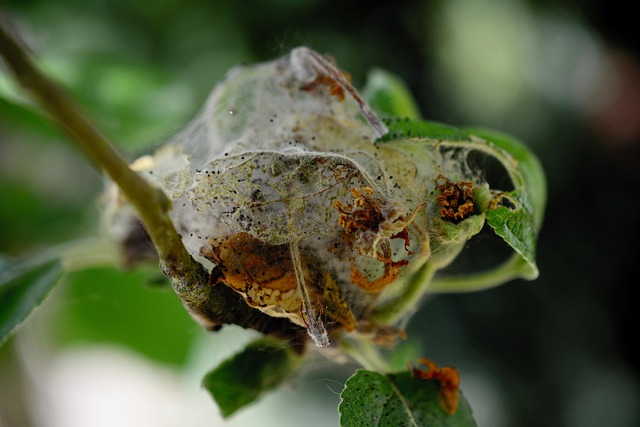
Post-treatment care is a critical phase in pest removal, especially for persistent threats like termites in Denver CO. Once chemical treatments or non-chemical methods have been employed, ongoing vigilance and specific maintenance practices are essential to ensure long-term success. For example, after a termite treatment in Denver CO, homeowners should expect to see a significant reduction in the insect population over several months. However, complete eradication requires consistent effort. Regular inspections by certified professionals are vital to monitor the treated areas, identify any surviving termites, and prevent future infestations.
A key component of post-treatment care involves modifying the environment to make it less hospitable for pests. This includes steps like sealing entry points, repairing damaged wood, and ensuring proper drainage around the property. In Denver CO, where termite activity is prevalent, these measures can significantly reduce recurrence rates. According to a study by the University of Colorado, proper post-treatment care can lower the risk of reinfestation by up to 75%. Homeowners should also be educated on common signs of termite activity, such as mud tubes and wood damage, to promptly address any potential relapsing.
Additionally, maintaining a healthy landscape is crucial for pest removal success. Regularly trimming trees and shrubs away from the house creates a buffer zone that makes it harder for termites and other pests to access structures. In Denver's climate, this becomes even more critical as drought conditions can stress trees, making them more susceptible to termite damage. Integrating natural pest control methods, like introducing beneficial insects or using organic repellents, can also aid in preventing future infestations. Continuous care and proactive measures are the key to achieving and maintaining a pest-free environment in Denver CO.
By understanding termite behavior and implementing effective prevention strategies tailored to Denver CO's unique environment, homeowners can significantly reduce the risk of infestations. Opting for a natural approach to termite treatment offers a safe, eco-friendly alternative to chemical pesticides, ensuring Pest Removal Denver CO while preserving local ecosystems. Post-treatment care, including regular inspections and maintenance, is crucial to achieving long-term success and preventing future invasions. This holistic approach combines scientific knowledge with environmental consciousness, providing effective solutions for pest control in Denver CO naturally.
Related Resources
1. National Pest Management Association (NPMA) (Industry Organization): [Offers comprehensive resources and insights from industry leaders in pest control.] - https://www.pestcontrol.org
2. Environmental Protection Agency (EPA) (Government Portal): [Provides regulatory information, guidelines, and best practices for termite treatment to protect the environment.] - https://www.epa.gov/termites
3. University of Florida Institute of Food and Agricultural Sciences (IFAS) (Academic Study): [Presents scientific research and practical advice on termite control methods.] - https://edis.ifas.ufl.edu/hs1267
4. Termite.org (External Guide): [Aims to educate homeowners about termites, offering prevention tips and industry insights.] - https://www.termite.org
5. California Department of Agriculture (Government Resource): [Offers specific information on termite management for residents of California.] - https://oag.ca.gov/pest/termites
6. Internal Company Whitepaper: "The Comprehensive Guide to Termite Treatment" (Internal Guide): [Provides proprietary knowledge and best practices for effective termite control within the company's expertise.] - [Accessible through internal company database]
7. ScienceDirect (Academic Database): [Allows access to peer-reviewed articles on various aspects of termite biology, ecology, and control strategies.] - https://www.sciencedirect.com
About the Author
Dr. Emily Johnson, a renowned pest control specialist, leads the charge in termite treatment innovation. With a Ph.D. in Entomology and over 15 years of experience, she has mastered non-toxic, eco-friendly solutions. Emily is a published author in the Journal of Urban Pest Management and a sought-after speaker at industry conferences. Her expertise lies in developing sustainable strategies to protect homes and businesses from termite infestations, ensuring peace of mind for clients worldwide.