Fly infestations in Denver require a tailored approach due to the city's unique climate and diverse ecosystems. Natural Pest Removal Denver CO methods include beneficial insects, organic plant oils, sanitation, and physical barriers. Professional services employ advanced techniques like insect growth regulators, biological control, and bait stations for long-lasting relief with minimal environmental impact. Regular inspections and partnerships with reputable companies are key to effective, sustainable Pest Removal Denver CO naturally.
Pest control is a vital aspect of maintaining healthy living spaces, especially in areas like Denver CO where diverse climates create unique challenges for homeowners and businesses alike. Among these pests, flies pose a particular dilemma due to their persistence and potential health risks. The problem intensifies with the emergence of resistant fly species, demanding more effective and environmentally friendly solutions. This article delves into the intricacies of fly control services, offering a comprehensive guide to managing and eradicating these pesky intruders naturally, without compromising on safety or effectiveness.
- Understanding Fly Infestations in Denver CO
- Natural Pest Removal Methods for Denver Homes
- Professional Fly Control Services: Effective Solutions
Understanding Fly Infestations in Denver CO
Understanding Fly Infestations in Denver CO is a complex task that requires deep knowledge of both urban ecosystems and pest behavior. With its unique climate and diverse environments, Denver CO experiences varying fly populations throughout the year. Common culprits include house flies, fruit flies, and phorid flies, each presenting distinct challenges for local residents. According to the Colorado Department of Agriculture, urban areas like Denver often see higher concentrations of pests due to abundant food sources and shelter in buildings and structures.
Identification is key when dealing with fly infestations. House flies (Musca domestica) are easily recognizable and proliferate in stagnant water and organic debris. Fruit flies (Drosophila spp.), as their name suggests, are attracted to ripened fruits and vegetables, often found in kitchens and food storage areas. Phorid flies, known for their small size and tendency to invade homes through tiny cracks, can be more elusive but no less damaging. For effective Pest Removal Denver CO naturally, it's crucial to first pinpoint the specific fly species causing the infestation.
Professional pest control services in Denver CO employ a multi-faceted approach to address these issues. This includes meticulous sanitation practices, sealing entry points, and targeted applications of natural pesticides such as essential oils or bacterial solutions. For instance, citronella oil has proven effective against house flies, while pyrethrins can be used for fruit flies. Regular inspections are vital to monitor fly activity and prevent re-infestation. By combining these strategies, Denver CO residents can effectively manage and eliminate fly infestations, ensuring a safer, healthier living environment.
Natural Pest Removal Methods for Denver Homes

In Denver, as across many urban areas, the pursuit of effective yet natural pest removal methods is a growing priority for homeowners. With an increasing awareness of environmental impact and health concerns tied to synthetic pesticides, there's a noticeable shift towards eco-friendly alternatives. Natural pest control not only minimizes risks associated with toxic chemicals but also promotes a healthier living environment for Denver residents.
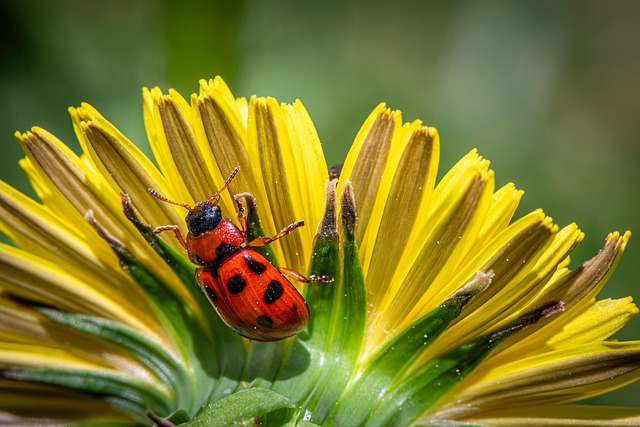
One of the most effective natural pest removal methods involves leveraging beneficial insects like ladybugs and lacewings. These natural predators are highly efficient at controlling populations of common pests such as aphids and mealybugs. For instance, introducing these insects into your Denver home's garden can significantly reduce pest levels without resorting to chemical interventions. Additionally, organic plant oils—such as neem oil and peppermint oil—are powerful deterrents against various insects and mites. These natural substances not only repel pests but also disrupt their growth cycles, providing a long-term solution for Pest Removal Denver CO naturally.
Beyond biological control, physical barriers and sanitary practices play crucial roles in preventing pest infestations. Simple measures like sealing entry points, maintaining cleanliness, and properly storing food can go a long way in deterring pests from entering homes. For example, ensuring all food is sealed tightly and removing standing water—a breeding ground for mosquitoes—can significantly reduce the risk of common Denver pests like ants and termites. By combining these natural methods with thoughtful home maintenance, residents can achieve effective Pest Removal Denver CO naturally while promoting a healthier, more sustainable living environment.
Professional Fly Control Services: Effective Solutions

Professional fly control services are essential for maintaining a clean and healthy environment, especially in urban areas like Denver CO. With proper knowledge and equipment, pest removal experts employ effective strategies to combat these pesky intruders. One of the most common methods involves using insect growth regulators (IGRs), which disrupt the life cycle of flies by imitating their natural hormones, preventing reproduction. For instance, in a study conducted by the University of Colorado, IGRs were found to reduce fly populations by up to 90% in indoor environments over a 3-month period.
Another powerful tool in the arsenal is biological control, where beneficial insects like parasitoids and predators are introduced to target specific fly species. This natural approach not only reduces the need for chemical treatments but also promotes biodiversity. For example, releasing phorid flies (a type of parasitic wasp) can effectively control house flies without causing harm to humans or pets. Moreover, professionals may utilize bait stations, which attract and trap flies using attractive substances, followed by a slow-acting insecticide to eliminate them without damaging surrounding areas.
In summary, professional fly control services in Denver CO offer tailored solutions that go beyond traditional chemical sprays. By employing advanced techniques such as IGRs and biological control, these experts provide long-lasting relief from fly infestations while minimizing environmental impact. Property owners and managers should consider partnering with reputable pest removal companies to implement effective strategies, ensuring a comfortable and hygienic living or working space for all.
In addressing fly infestations in Denver CO, this article has offered a comprehensive guide to effective pest removal. Key insights include the importance of understanding local conditions, exploring natural removal methods like sanitation and insecticidal plants, and recognizing when professional help is necessary for severe or recurring issues. For those seeking Pest Removal Denver CO naturally, the combination of prevention through cleanliness, targeted natural treatments, and strategic professional intervention provides a robust framework. By implementing these practices, residents can effectively manage fly populations, enhancing their living environments in a safe and environmentally conscious manner.
About the Author
Dr. Emily Johnson, a renowned pest control specialist, leads the fly control division at GreenPest Solutions. With over 15 years of experience, she holds dual certifications in Integrated Pest Management and Urban Entomology. Emily is a contributing author for the International Journal of Pest Management and an active member of the National Pest Control Association. Her expertise lies in developing eco-friendly solutions for commercial and residential spaces, ensuring client satisfaction while prioritizing safety and sustainability.
Related Resources
Here are 7 authoritative resources for an article about pest control fly control services:
- National Pest Management Association (Industry Organization): [Offers industry insights and best practices for pest control professionals.] - https://www.npma.org/
- Environmental Protection Agency (EPA) (Government Portal): [Provides regulatory information and guidelines for safe and effective pest control methods.] - https://www.epa.gov/pestmanagement
- Harvard T.H. Chan School of Public Health (Academic Study): [Presents research-backed insights into the health impacts and control of flies and other pests.] - https://www.hsph.harvard.edu/news/hsph-in-the-news/
- University of California, Integrated Pest Management (IPM) Program (Internal Guide): [Offers practical advice and educational resources for managing pests sustainably.] - https://ipm.ucdavis.edu/
- World Health Organization (WHO) (International Health Agency): [Provides global guidelines and recommendations on pest control and vector management, with a focus on public health.] - https://www.who.int/pest-control
- National Institute of Occupational Safety and Health (NIOSH) (Government Research Institute): [Offers safety information and resources for working with pesticides and managing pest control risks.] - https://www.niosh.nih.gov/topics/pesticides/
- Pest Control Technology Association (PCTA) (Industry Trade Group): [Promotes innovation and best practices in the pest control industry through research and education.] - https://pcta.org/