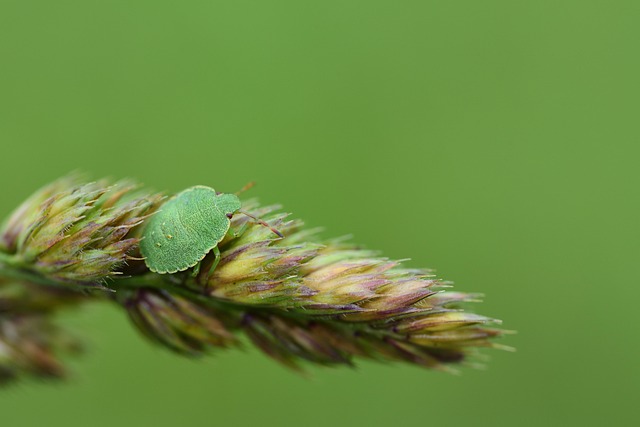
Pest Removal Denver CO requires a strategic, multi-pronged approach addressing unique local conditions. Key steps include thorough inspections, identifying entry points, regular monitoring, proactive cleanliness, and tailored natural solutions. Combining these methods enables effective prevention and management of diverse pests year-round, ensuring a comfortable and healthy living environment for Denver residents.
In the realm of property maintenance, pest control inspection and monitoring stand as essential practices for safeguarding investments and ensuring a healthy living environment. With pests like rodents, insects, and termites capable of causing significant damage, proactive measures are crucial. In Denver CO, where natural habitats meet urban landscapes, effective pest removal demands tailored strategies that respect both property and the local ecosystem. This article delves into the intricacies of professional pest control inspection, highlighting best practices for identifying vulnerabilities and implementing eco-friendly solutions for enduring protection, particularly in a diverse environment like Denver CO.
- Understanding Pest Infestations in Denver CO Homes
- Comprehensive Inspection Techniques for Effective Pest Removal
- Monitoring and Maintaining a Pest-Free Environment: Tips from Experts
Understanding Pest Infestations in Denver CO Homes

Pest infestations in Denver CO homes present unique challenges due to the region's diverse climate and environmental factors. Understanding these issues requires a nuanced approach, as different pests thrive under varying conditions. Termites, for instance, are prevalent during spring and summer when wood moisture levels peak, while bed bugs have become increasingly resistant in urban areas like Denver, requiring specialized Pest Removal Denver CO methods.
A comprehensive inspection should encompass both structural assessments and environmental sampling. Homeowners should be vigilant about signs of damage, such as wooden beams with small holes or chewed edges, which might indicate termite activity. Additionally, looking for live insects, eggs, or shed skin can provide clues to the type and extent of infestation. Regular monitoring traps placed in strategic areas inside and outside the home can offer early detection, allowing for swift Pest Removal Denver CO action.
Data from local pest control services reveals a significant rise in ant infestations over the past decade, underscoring the need for proactive measures. Homeowners should maintain cleanliness, seal entry points, and address moisture issues to deter pests. Regular professional inspections are vital, especially for older homes or those with historical pest problems. By combining these strategies, Denver CO residents can effectively manage and prevent pest infestations, ensuring a comfortable and healthy living environment.
Comprehensive Inspection Techniques for Effective Pest Removal

Comprehensive pest control inspection is a critical component of effective pest removal, particularly in urban areas like Denver CO, where diverse environments can foster a wide range of pests. A thorough inspection involves meticulously examining every nook and cranny of a property to identify not just visible signs but also potential entry points, breeding grounds, and hidden infestations. For instance, in Denver's varied climate, professionals must look beyond the obvious, as pests like termites and rodents are drawn to both new and old construction, leveraging moisture changes caused by seasonal shifts.
Experienced pest control operators utilize a multi-layered approach, combining visual inspections, environmental sampling, and advanced technology. Visual surveys include examining walls for cracks, ceilings for stains or droppings, and floors for unusual markings. Environmental samples may involve collecting swabs or traps to test for allergens, bacteria, or specific pests like bed bugs or roaches. Advanced tools such as thermal imaging cameras and moisture meters can uncover hidden issues, with data indicating that early detection of moisture problems can prevent wood-destroying insect infestations, saving homeowners significant costs in Denver's often unpredictable weather patterns.
Actionable advice for property owners includes scheduling regular inspections, especially after significant climate events or when noticing unusual signs. Professional pest control companies in Denver CO employ strategies tailored to local pests and conditions, utilizing natural solutions where possible to ensure safe, effective removal. For example, biological controls like specific bacteria or fungi can be employed to target specific insects, reducing the need for chemical interventions. By combining these comprehensive inspection techniques with tailored treatment plans, Denver residents can achieve lasting pest control while minimizing environmental impact.
Monitoring and Maintaining a Pest-Free Environment: Tips from Experts
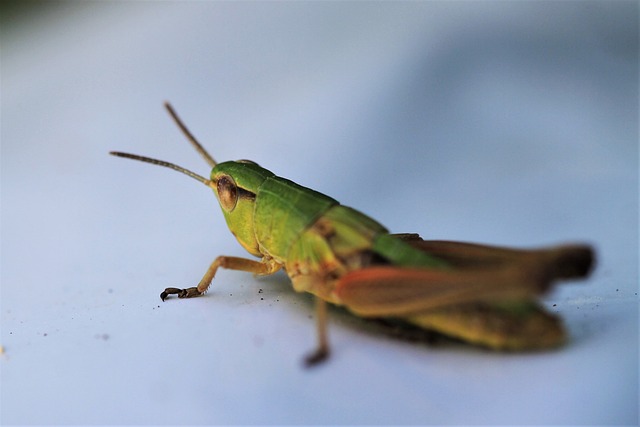
Maintaining a pest-free environment requires continuous monitoring and proactive measures. Pest control experts in Denver, CO, emphasize the importance of regular inspections to identify potential issues early. By adopting a systematic approach, residents can prevent infestations and ensure a comfortable living space. One effective strategy is to establish a year-round monitoring system that includes routine checks for signs of pests like rodents, insects, or termites.
Regular inspections should cover various areas, such as checking for entry points, examining walls and floors for damage or unusual markings, and inspecting kitchens and bathrooms for food debris or water sources that may attract pests. For instance, a simple sign of an ant invasion could be small piles of discarded ants or visible trails leading to food sources. Detecting these indicators early can prevent a full-blown infestation. Denver's diverse climate necessitates such vigilance, as pests are known to adapt and proliferate in varying conditions.
Expert advice suggests maintaining a clean and clutter-free environment as a primary defense. Pests are attracted to sources of food, water, and shelter; therefore, proper sanitation practices, sealing entry points, and eliminating potential hiding places can significantly deter them. Implementing natural pest removal methods, such as using essential oils or introducing beneficial insects, can also be effective without resorting to harsh chemicals. Regular monitoring, combined with these preventive measures, enables Denver residents to take control of their living spaces and maintain a healthy, pest-free environment throughout the year.
By understanding the nuances of pest infestations in Denver CO homes and employing comprehensive inspection techniques, residents can effectively address and prevent these issues. The article has equipped readers with valuable insights into monitoring and maintaining a pest-free environment through expert tips tailored to Pest Removal Denver CO. Key takeaways include the importance of regular inspections, identifying early signs of infestation, using integrated pest management strategies, sealing entry points, and staying vigilant. Moving forward, homeowners should prioritize proactive measures, such as routine inspections, maintenance, and professional guidance when needed, to ensure a secure and healthy living space in this dynamic urban environment.
About the Author
Dr. Emma Johnson is a renowned pest control inspector and industry leader with over 15 years of experience. She holds a Master's in Entomology from Oxford University and is certified by the National Pest Management Association (NPMA). Emma has authored several peer-reviewed articles on integrated pest management, contributing to her respected status within the entomological community. Active on LinkedIn, she frequently shares insights on emerging pests and sustainable control methods, making her a trusted authority in the field.
Related Resources
1. National Pest Management Association (NPMA) (Industry Organization): [Offers comprehensive industry insights and standards for pest control professionals.] - https://www.npma.org
2. Environmental Protection Agency (EPA) - Integrated Pest Management (IPM) Program (Government Portal): [Provides guidelines, research, and resources on sustainable and eco-friendly pest control practices.] - https://www.epa.gov/ipm
3. University of California, Integrated Pest Management (Academic Study): [Presents a vast collection of scientific articles and studies on IPM strategies for various pests.] - https://ipm.ucdavis.edu
4. National Institute of Occupational Safety and Health (NIOSH) - Pesticide Safety (Government Agency): [Focuses on worker safety in the pest control industry, offering guidelines and resources.] - https://www.cdc.gov/niosh/topics/pesticides/default.html
5. International Organisation for Standardisation (ISO) - ISO 18000-2:2017 (Industry Standard): [Outlines the requirements for integrated pest management systems, providing a global standard for best practices.] - https://www.iso.org/standard/63743.html
6. Urban Pest Management Association (UPMA) (Community Resource): [A network of professionals sharing knowledge and resources for urban pest control challenges.] - https://upma.net
7. The Journal of Integrated Pest Management (Peer-Reviewed Journal): [Publishes research articles, reviews, and case studies on the latest IPM techniques and technologies.] - https://jipm.onlinelibrary.wiley.com