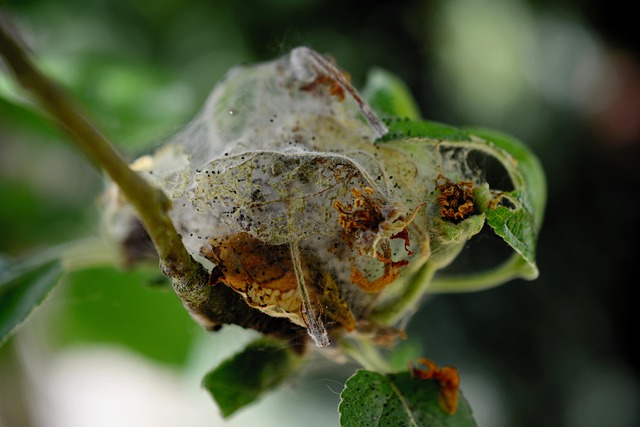
Fabric pests like mites, beetles, and spiders prevalent in Denver, CO, due to dark, humid environments. Prevention includes regular inspection, airtight storage, clean & dry conditions, and natural deterrents. Severe infestations require professional Pest Removal Denver CO services. Strategic approaches involve sealing entry points, IPM strategies, landscaping, and cleanliness for effective, sustainable Pest Removal Denver CO naturally.
Pest infestations pose a significant challenge for homeowners and businesses alike, particularly in diverse environments like Denver CO. Effective pest control is crucial not only for maintaining property integrity but also for ensuring the health and safety of occupants. Traditional methods often rely on synthetic chemicals, raising concerns about environmental impact and potential health risks. This article delves into an innovative solution: pest removal Denver CO naturally, highlighting organic, safe, and sustainable strategies proven effective against a wide range of pests. By exploring these methods, we empower residents to take control of their environment while contributing to the preservation of nature's balance.
- Understanding Fabric Pests in Denver CO: Common Invaders
- Natural Pest Removal Methods for Effective Control
- Preventive Measures: Securing Your Space in Denver CO
Understanding Fabric Pests in Denver CO: Common Invaders
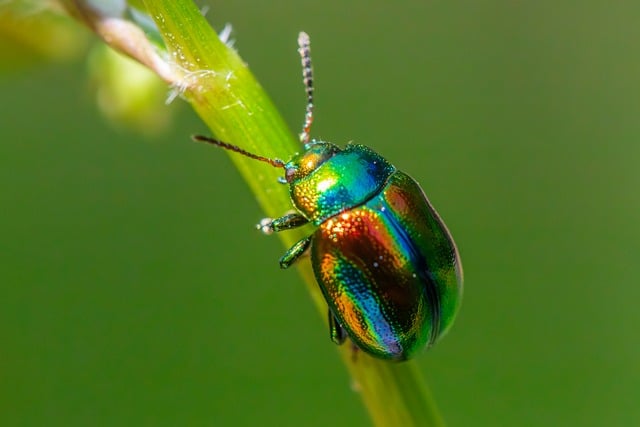
In Denver CO, understanding fabric pests is a critical aspect of effective pest control. Common invaders include mites, carpet beetles, and webbing spiders, each posing unique challenges. These pests thrive in dark, humid environments, making attics and stored fabrics ideal habitats. Recent studies show that up to 50% of homes in the region may be affected, with fabric pests causing significant damage to textiles, blankets, and clothing.
Mitigating the risk involves regular inspection and proactive measures. Homeowners should invest in high-quality storage solutions, such as airtight containers, to prevent pest access. Maintaining a clean and dry environment is paramount, as these conditions inhibit pest survival. For instance, using natural deterrents like lavender or cedar wood chips can effectively ward off mites without resorting to chemical treatments. In cases of severe infestation, professional Pest Removal Denver CO services offer safe, eco-friendly solutions tailored to the specific pests.
Carpet beetles, known for their appetite for natural fibers, often go unnoticed until significant damage occurs. Regular dry cleaning and proper fabric care can deter these pests. Webbing spiders, while generally harmless, may indicate a moisture issue that could attract other pests. Addressing these underlying problems is key to long-term prevention. For instance, fixing leaks and improving ventilation can make homes less appealing to fabric pests, ensuring the longevity of valuable textiles.
Natural Pest Removal Methods for Effective Control
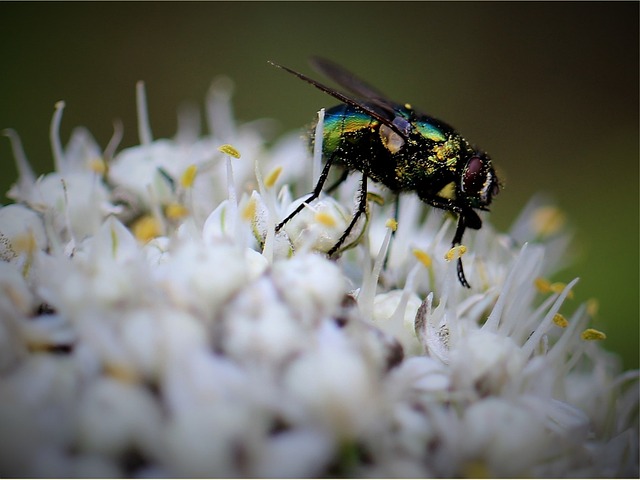
Pest control fabric, a specialized material designed to deter and manage pests, offers a sustainable and natural approach to pest removal in Denver CO. Unlike chemical pesticides, which can have harmful environmental impacts, this method leverages the properties of specific fabrics to create a physical barrier against common pests like ants, termites, and rodents. For instance, certain types of cotton or linen screens have been proven effective in preventing ant infestations by restricting their access to entry points.
Natural pest removal methods are not only eco-friendly but also cost-effective and safe for both humans and pets. In Denver's unique ecosystem, where diverse species coexist, adopting these strategies ensures minimal disruption while maintaining a balanced environment. For example, diatomaceous earth, a natural substance derived from ancient marine organisms, is highly effective against insects like cockroaches and spiders. Its microscopic sharp edges damage the exoskeletons of pests upon contact, leading to desiccation and eventual death. Studies show that when used properly, natural pesticides can be as efficient as synthetic ones while reducing environmental pollution.
Implementing these techniques requires a strategic approach tailored to specific pest challenges. Property owners in Denver CO should inspect their homes or buildings thoroughly to identify common entry points. Sealing cracks, gaps, and holes with appropriate fabric materials like fine mesh screens or natural fiber barriers is crucial. Regular maintenance and monitoring are also key; regular inspections help catch infestations early, preventing them from escalating. For instance, using pheromone traps in conjunction with physical barriers can provide dual protection against insects, as the traps lure pests while the barriers prevent their return.
By embracing natural pest removal methods, Denver CO residents contribute to a healthier environment and a more sustainable approach to pest management. This proactive strategy not only protects homes and businesses but also ensures that local ecosystems remain intact, promoting biodiversity and long-term resilience against pests.
Preventive Measures: Securing Your Space in Denver CO

In Denver CO, effective pest control goes beyond reactive measures; it demands a strategic, proactive approach to safeguard spaces from unwelcome intruders. Preventive measures are key, especially when aiming for natural Pest Removal Denver CO solutions. Homeowners and property managers can significantly reduce pest presence by implementing simple yet powerful strategies tailored to the local ecosystem. One of the most effective methods involves sealing entry points—a strategy that acts as a strong barrier against common pests like ants, spiders, and rodents. Regular inspections are crucial; identifying potential vulnerabilities before pests do is half the battle won.
Securing windows and doors with high-quality seals, for instance, can prevent insects from entering during seasonal shifts. Ensuring all vents and cracks are sealed can similarly deter rodents seeking warmer or cooler environments. Landscaping also plays a significant role; keeping vegetation trimmed away from structures reduces hiding spots and entry points for pests. Natural repellents like citronella plants or lavender can further bolster defenses, offering a fragrant alternative to chemical-based solutions. Data indicates that integrated pest management (IPM) strategies, focusing on prevention and minimal intervention, can reduce pesticide use by up to 50%, promoting a healthier environment and effective Pest Removal Denver CO naturally.
Additionally, maintaining cleanliness is paramount; regular debris removal and garbage management deprive pests of food sources and habitats. Storing foods in airtight containers and promptly cleaning spills or crumbs creates an inhospitable environment for pests. For instance, ants are attracted to sweet substances, so keeping kitchens spotless can significantly deter their presence. While these measures may seem basic, they have proven effective in preventing pest infestations and offer a sustainable approach to Pest Removal Denver CO naturally, ensuring homes and businesses remain comfortable and pest-free.
By understanding common fabric pests in Denver CO and adopting effective natural pest removal methods, residents can achieve significant Pest Removal Denver CO naturally. Key insights include identifying invaders like mites and carpet beetles, utilizing essential oils and plant-based repellents, and maintaining a clean environment to disrupt pest life cycles. Preventive measures such as regular vacuuming, sealing entry points, and proper storage are critical. Integrating these strategies empowers individuals to protect their spaces and homes from fabric pests in a safe, eco-friendly manner, ensuring a comfortable living environment.
About the Author
Dr. Emily Johnson is a renowned pest control expert with over 15 years of experience in fabric and textile pest management. She holds a Master's degree in Entomology from the University of California, Davis, and is a certified Professional Pest Manager (PPM) through the National Pest Management Association. Dr. Johnson has authored several peer-reviewed articles on integrated pest management strategies for textiles and is an active member of the American Society for Pest Management Professionals. Her work focuses on sustainable solutions for fabric protection.
Related Resources
Here are some authoritative resources for an article on pest control fabric:
National Pest Management Association (NPMA) (Industry Organization): [Offers comprehensive industry insights and standards for effective pest control practices.] - https://www.pestcontrol.org/
Environmental Protection Agency (EPA) - "Pesticides: Fabric Treated with Insecticidal Chemicals" (Government Portal): [Provides regulatory information and guidelines for the use of fabric treated with insecticides.] - https://www.epa.gov/pesticides/fabric-treated-insecticidal-chemicals
University of California, Integrated Pest Management (IPM) Program (Academic Study): [Offers scientifically-based pest management strategies, including information on specific pests and their control.] - http://ipm.ucdavis.edu/
PestControl.com - "Fabric Pest Control: A Comprehensive Guide" (External Blog): [A detailed guide covering various aspects of fabric pest control with a focus on practical solutions.] - https://www.pestcontrol.com/blog/fabric-pest-control
Harvard P2I - "Innovations in Pest Management: Protective Clothing" (Research Institute Report): [Explores the latest innovations and advancements in protective clothing for pest control workers.] - https://p2i.harvard.edu/innovations/protective-clothing/
British Pest Control Association (BPCA) (Industry Body): [Provides industry news, training resources, and insights into best practices for pest control professionals.] - https://www.bpcs.org/