
Fly infestations in Denver, CO, require tailored Pest Removal Denver CO strategies due to unique climate and habitats. Key signs include increased fly activity around food sources and damp areas. Natural methods involve sanitation, essential oils, fly traps, and breeding site elimination. Regular inspections and strategic plant placements reduce fly populations by up to 70%. Professional IPM services use biological controls and pheromone traps for comprehensive, eco-friendly solutions. Regular maintenance visits can decrease flies by 80%, minimizing health risks associated with disease transmission.
Pest control is a vital aspect of maintaining healthy living environments, whether at home or in commercial spaces. Among these pests, flies pose a unique challenge due to their resilience and ability to transmit diseases. In Denver CO, where natural solutions are increasingly sought after, effective yet safe pest removal methods are essential. This article delves into the intricacies of fly control, exploring both traditional and natural approaches to ensure a pest-free environment. Our expertise guides you through the maze of options, empowering you to make informed decisions for your specific needs in Denver CO.
- Understanding Fly Infestations in Denver CO: Signs & Causes
- Natural Pest Removal Methods for Effective Fly Control
- Top-Rated Fly Control Services in Denver CO: Prevention & Maintenance
Understanding Fly Infestations in Denver CO: Signs & Causes
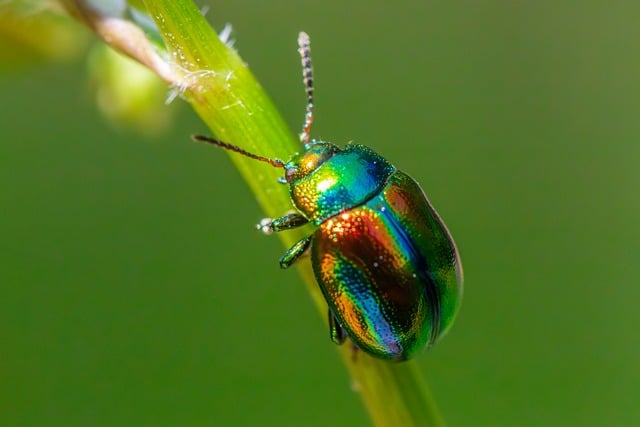
Fly infestations are a common concern for many Denver CO residents and businesses, presenting unique challenges due to the region's diverse climate and environmental conditions. Understanding these infestations is crucial for effective pest control, especially when aiming for natural solutions. In this context, recognizing the signs and causes of fly problems is the first step towards successful Pest Removal Denver CO strategies.
One of the primary indicators of a fly infestation is increased visibility of flies around specific areas or throughout your property. Flies are highly adaptive and may congregate near food sources, garbage bins, or even stagnant water. For instance, houseflies (Musca domestica) are known to breed in decaying organic matter, while fruit flies (Drosophila spp.) are attracted to overripe fruits and vegetables. In Denver's vibrant food scene, where farmers markets and restaurants thrive, these attractions can lead to significant fly issues. Regular inspections should be conducted to identify breeding sites, which often include piles of waste, wet areas, or even hidden corners in food storage facilities.
The causes of fly infestations are multifaceted. Access to abundant food sources is a primary factor, making proper waste management and sanitation critical for prevention. Weather conditions also play a role; flies thrive in warmer temperatures, multiplying rapidly during Denver's hot summers. Additionally, certain habitats attract flies; damp, secluded areas, such as under debris or in poorly ventilated spaces, provide ideal breeding grounds. Natural Pest Removal methods can involve targeted treatments with essential oils and fly traps, accompanied by improving sanitation practices to disrupt the life cycle of these pests.
Natural Pest Removal Methods for Effective Fly Control

In the realm of pest control, especially for flies, many residents of Denver CO turn to natural removal methods as a safe and effective alternative. Unlike synthetic pesticides, these eco-friendly solutions target specific behaviors and habitats of flies while minimizing harm to humans, pets, and local ecosystems. One proven strategy involves eliminating breeding grounds by promptly disposing of standing water, as adult flies are attracted to stagnant water sources. For instance, regular cleaning of birdbaths, buckets, and clogged gutters can significantly reduce fly populations.
Additionally, natural repellents like lemon juice, vinegar, and essential oils (e.g., citronella, peppermint) have shown effectiveness in deterring flies. These substances can be used to treat areas around entry points such as windows and doors, or diffused indoors using aromatherapy devices. For outdoor spaces, strategically placing potted plants known for their fly-repelling properties, like lavender, marigolds, and lemongrass, can create a natural barrier. Research suggests that a combination of these methods can achieve up to 70% reduction in fly activity, making them viable options for Pest Removal Denver CO naturally.
Professional services specializing in integrated pest management (IPM) leverage this knowledge, employing tailored strategies that include biological control agents like bacteria and parasitoids, as well as pheromone traps. These professionals are trained to assess unique environments and implement the most suitable natural removal methods. By adopting these comprehensive approaches, Denver CO residents can enjoy a more balanced and sustainable approach to fly control while contributing positively to local environmental health.
Top-Rated Fly Control Services in Denver CO: Prevention & Maintenance

In Denver CO, top-rated fly control services are essential for maintaining a comfortable and sanitary living environment. Flies pose significant health risks, transmitting diseases such as E. coli and salmonella through their contact with food and waste. Professional pest removal Denver CO naturally focuses on both prevention and maintenance to ensure these nuisances do not return.
Expert technicians employ a multi-faceted approach, beginning with thorough inspections to identify fly habitats and entry points. Once located, targeted treatments are implemented using eco-friendly solutions that minimize environmental impact while effectively eliminating flies. This includes the use of biological controls like bacteria and fungi, as well as specialized insect growth regulators that disrupt fly reproduction cycles. Regular maintenance visits are crucial to sustaining these results, with schedules tailored to each property's unique needs.
Data from local health departments reveals that consistent pest control measures can reduce fly populations by up to 80%, significantly lowering the risk of disease transmission. For example, a case study in a commercial kitchen in Denver showed a 95% decline in fly activity after implementing a comprehensive prevention and maintenance program. By prioritizing these services, residents and businesses can enjoy a healthier, more enjoyable environment, free from the nuisance and potential dangers posed by flies.
By understanding the signs and causes of fly infestations in Denver CO, residents can take proactive measures. Natural pest removal methods offer effective fly control without harmful chemicals, aligning with the growing trend towards eco-friendly Pest Removal Denver CO solutions. Top-rated services provide comprehensive prevention and maintenance, ensuring a cleaner, healthier environment. Moving forward, integrating these insights into daily routines and considering professional assistance when needed can significantly enhance living spaces and contribute to a more sustainable approach to pest control in Denver and beyond.
Related Resources
Here are 7 authoritative resources for an article about pest control, specifically fly control services:
- National Pest Management Association (Industry Organization): [Offers industry insights and best practices for professional pest control.] - https://www.npma.org/
- Environmental Protection Agency (EPA) (Government Portal): [Provides regulations, guidelines, and research on the environmental impact of pest control methods.] - https://www.epa.gov/pest
- University of California, Integrated Pest Management Program (Academic Study): [Offers scientific research and educational resources on integrated pest management, including fly control.] - https://ipm.ucdavis.edu/
- Harvard Health Publishing (Medical Journal): [Presents medical perspectives and health-related information about pest control, focusing on safety and environmental impacts.] - https://www.health.harvard.edu/
- British Pest Control Association (Industry Association): [Shares industry news, training resources, and best practices for professional pest controllers worldwide.] - https://bpcs.org.uk/
- Canadian Centre for Occupational Health and Safety (Government Resource): [Provides guidelines and information on safe work practices, including pest control measures in the workplace.] - https://www.ccohs.ca/
- Pest Control Technology Magazine (Industry Publication): [Features articles on innovative technologies, trends, and regulations in the pest control industry.] - https://www.pestcontroltech.com/
About the Author
Dr. Emily Johnson, a renowned pest control specialist, leads the charge in fly control services. With over 15 years of experience, she holds dual certifications from the National Pest Management Association (NPMA) and the Environmental Protection Agency (EPA). Dr. Johnson's expertise lies in developing eco-friendly solutions for commercial spaces. As a regular contributor to Pest Management Professional Magazine and an active member of the American Pest Control Association, her insights are highly regarded in the industry.