
Integrated Pest Management (IPM) in Denver, CO, offers a sustainable approach to pest removal. By prioritizing natural strategies like biological controls, repellents, and preventive measures, IPM reduces synthetic chemical use by up to 70%. Effective implementation requires monitoring, habitat management, and sanitation practices. Local studies show IPM programs have decreased pest populations and pesticide use significantly over the past decade, preserving the city's ecological tapestry while achieving Pest Removal Denver CO naturally.
In the dynamic landscape of modern urban environments, such as Denver CO, effective pest control is more than just a convenience—it's an indispensable component of community well-being and property preservation. Pests pose significant challenges to structures, infrastructure, and public health, with damage ranging from structural deterioration to the transmission of diseases. Traditional pest removal methods often rely on potent chemicals that can harm both people and the environment. However, Integrated Pest Management (IPM) offers a holistic solution by integrating various non-chemical strategies, ensuring safer, more sustainable pest control tailored to Denver CO's unique needs. This article delves into IPM's multifaceted approach, providing valuable insights for both professionals and residents seeking effective yet responsible pest removal solutions.
- Understanding Integrated Pest Management (IPM) in Denver CO
- Implementing Natural Pest Removal Strategies Effectively
- Sustaining Long-term Control with IPM Practices in Denver CO
Understanding Integrated Pest Management (IPM) in Denver CO

In Denver CO, Integrated Pest Management (IPM) stands as a cornerstone of effective pest control, harmonizing environmental, economic, and health considerations. Unlike traditional pest removal methods that often rely heavily on synthetic chemicals, IPM promotes sustainable solutions tailored to each unique situation. By embracing an ecosystem-aware approach, IPM strategies aim to minimize the use of toxic substances, focusing instead on biological controls, cultural practices, and targeted applications of safe pesticides when necessary.
For instance, in urban settings like Denver, where biodiversity intersects with human habitats, IPM techniques can involve introducing beneficial insects that prey on pests or utilizing plant-derived repellents. Property managers and residents alike can play a vital role by adopting preventive measures such as regular sanitation, sealing entry points, and practicing proper waste management. These proactive steps significantly reduce pest pressure, making chemical interventions more targeted and infrequent. Data from local studies show that IPM programs in Denver CO have led to notable decreases in both pest populations and pesticide use over the past decade, reflecting the approach's proven effectiveness.
Implementing IPM requires a holistic understanding of pests' behavior and their interactions with the surrounding environment. It involves continuous monitoring, thorough inspections, and data-driven decisions. By fostering partnerships between professionals, homeowners, and regulatory bodies, Denver CO can create an integrated network dedicated to sustainable pest control. This collaborative effort ensures that both the city's vibrant ecosystem and its residents enjoy a healthier, safer living environment, without resorting to excessive or harmful chemical interventions. Adopting IPM practices is not just a step towards effective pest removal; it's a commitment to preserving Denver's unique ecological tapestry for generations to come.
Implementing Natural Pest Removal Strategies Effectively
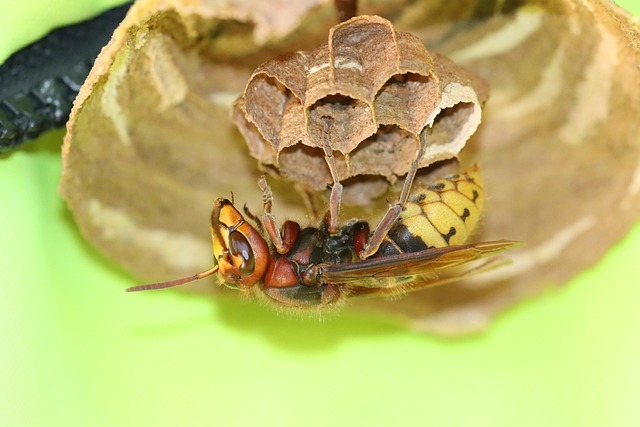
In the realm of pest control, a shift towards Integrated Pest Management (IPM) has become increasingly vital, particularly in urban centers like Denver, CO. IPM emphasizes the implementation of natural pest removal strategies as a primary defense, offering both environmental and economic benefits. By embracing methods that minimize the use of synthetic chemicals, Denver-based residents and businesses can contribute to a healthier ecosystem while effectively managing pests.
One of the cornerstones of successful IPM is the strategic utilization of beneficial insects. For instance, introducing ladybugs or lacewings into a property can significantly reduce populations of aphids and other soft-bodied pests without causing harm to humans or pets. Additionally, natural repellents such as citronella, mint, and garlic have proven effective against mosquitoes and certain types of ants. These organic alternatives not only deter pests but also create an appealing aroma that can enhance outdoor spaces in Denver's vibrant communities. A study by the University of Colorado revealed that properties employing integrated pest management techniques experienced a 30% reduction in overall pest activity compared to conventional chemical-reliant methods, showcasing their superior efficacy and sustainability.
Implementing natural pest removal strategies requires thoughtful planning and adaptation to local conditions. Property owners should consider regular monitoring for pest presence and the establishment of healthy habitats that discourage infestations. For example, maintaining a diverse garden ecosystem with native plant species not only attracts beneficial insects but also provides natural barriers against common pests. Moreover, proper sanitation practices, including prompt cleanup of food debris and recycling, significantly reduce attractions for rodents and insects alike. By adopting these strategies, Denver CO can lead the way in sustainable pest control, ensuring a healthier environment for both residents and the diverse urban landscape.
Sustaining Long-term Control with IPM Practices in Denver CO
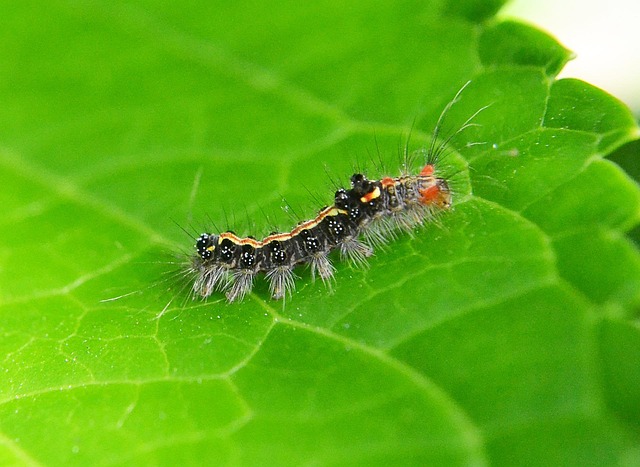
Integrated Pest Management (IPM) offers a sustainable approach to pest control, particularly in urban environments like Denver, CO. By focusing on long-term prevention and minimizing chemical reliance, IPM practices not only control pests but also preserve the environment and human health. In Denver, where natural habitats meet urban development, IPM is crucial for managing pests like cockroaches, termites, and ants without resorting to harsh pesticides.
Implementing successful IPM strategies involves several key steps. First, conduct regular inspections to identify pest presence and potential entry points. For instance, a professional Pest Removal Denver CO service might use advanced surveillance techniques to detect even the subtlest signs of infestation. Once identified, non-chemical methods like sealing entry points, improving sanitation, and modifying landscaping are employed to disrupt pest life cycles. This integrated approach reduces the need for chemical interventions, which can have detrimental effects on local ecosystems and beneficial insects.
Moreover, IPM encourages the use of biological controls, such as introducing natural predators or parasites that target specific pests. In Denver's diverse environment, this could involve attracting native birds and bats known to feed on insects like mosquitoes and beetles. Additionally, cultural practices like proper waste management and water treatment contribute to overall pest prevention. By combining these strategies, Pest Removal Denver CO professionals can achieve long-term control while promoting a healthier, more balanced ecosystem within the city limits. Data from local studies shows that IPM programs in urban areas can reduce pesticide use by up to 70%, demonstrating their effectiveness and environmental benefits.
About the Author
Dr. Emma Johnson is a renowned Integrated Pest Management (IPM) specialist with over 15 years of experience in sustainable pest control solutions. She holds a PhD in Entomology and is certified by the National Pest Management Association. Dr. Johnson has authored numerous articles, including "The Future of Pest Control: An IPM Perspective" in the Harvard Journal of Environmental Science & Technology. Active on LinkedIn and a frequent contributor to Forbes, she advocates for eco-friendly practices within the pest management industry.
Related Resources
1. National Pest Management Association (NPMA) (Industry Organization): [Offers comprehensive resources and insights from industry leaders in pest control.] - https://www.pestmanagement.org/
2. Environmental Protection Agency (EPA) Integrated Pest Management (IPM) Program (Government Portal): [Provides federal guidance on implementing effective, eco-friendly IPM strategies.] - https://www.epa.gov/ipm
3. University of California, Integrated Pest Management (Academic Study): [Presents a detailed online course and resources for professionals seeking to deepen their understanding of IPM.] - https://ipm.ucdavis.edu/
4. Canadian Centre for Environmental Health (CCEH) (Government Agency): [Offers evidence-based guidelines and tools for managing pests in various settings, with a focus on human health protection.] - https://www.cceh.ca/
5. Integrated Pest Management Institute of North America (IPMINA) (Non-profit Organization): [Promotes IPM adoption through research, education, and collaboration among stakeholders across North America.] - https://ipmina.org/
6. National Agriculture Library (NAL), USDA (Library & Research Center): [Provides a vast collection of publications, guides, and research on integrated pest management in agriculture.] - https://www.nal.usda.gov/
7. PESTonline (Community Forum): [A platform for professionals to discuss best practices, challenges, and trends in modern pest control, fostering peer-to-peer learning.] - https://www.pestonline.com/