
Pest Removal Denver CO naturally requires a tailored, seasonal approach. Inspect regularly, implement natural prevention methods, and adjust strategies based on local ecosystem dynamics. Spring: seal entry points; summer: clean kitchens/bathrooms; fall: deter rodents; winter: target stinging insects. Use organic repellents, beneficial insects, and biological control for effective, sustainable Pest Removal Denver CO year-round.
Pest infestations can wreak havoc on homes and businesses, causing damage to structures and creating health risks. Effective pest control is an ongoing concern for Denver CO residents and commercial property managers alike. Traditional methods often rely heavily on chemical pesticides, raising environmental and safety concerns. This article delves into the transformative power of quarterly maintenance plans focused on natural pest removal solutions. We'll explore how these programs not only mitigate pest issues but also contribute to a safer, more sustainable environment for communities across Denver CO.
- Developing a Customized Pest Control Strategy for Denver CO
- Quarterly Maintenance: Key Steps for Effective Pest Removal
- Natural Solutions for Year-Round Pest Management in Denver CO
Developing a Customized Pest Control Strategy for Denver CO
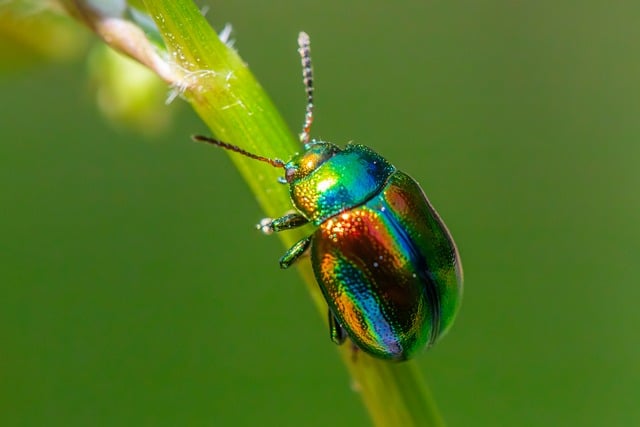
In Denver CO, a one-size-fits-all approach to pest control rarely yields optimal results. With diverse environments ranging from urban apartments to suburban homes and rural landscapes, tailored strategies are essential for effective Pest Removal Denver CO naturally. A comprehensive quarterly maintenance plan should consider local ecosystems, seasonal shifts, and specific pests prevalent in the area. For instance, while cockroaches thrive in humid, densely populated areas, termites pose a greater threat during warmer months in suburban settings.
Developing a customized plan involves a multi-faceted approach. First, conduct a thorough inspection to identify existing pest issues and potential entry points. Next, integrate natural prevention methods such as sealing cracks, ensuring proper ventilation, and maintaining cleanliness to deter pests. For instance, regular sweeping and sanitization can significantly reduce cockroach populations. Additionally, leveraging organic repellents like diatomaceous earth or essential oils can provide effective Pest Removal Denver CO naturally without harmful chemicals.
Quarterly maintenance includes proactive treatments, seasonal adjustments, and continuous monitoring. During spring and fall, when pests are most active, bi-monthly inspections and targeted treatments are recommended. Winter months may require less frequent visits, but year-round vigilance is crucial to prevent reinfestation. For example, storing firewood away from the house during warmer seasons can disrupt termite activity. Regular communication with pest control professionals ensures that strategies remain effective, adaptable, and in line with the latest scientific insights into local pest behavior.
Quarterly Maintenance: Key Steps for Effective Pest Removal
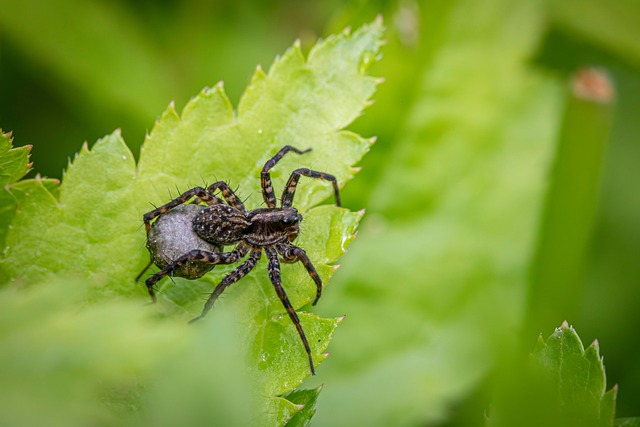
Pest removal is a year-round concern for many property owners, but establishing a robust quarterly maintenance plan can significantly mitigate pest pressures in Denver CO naturally. Each season brings unique challenges, from spring's awakening of pests to winter's hibernation survivors. A proactive approach involves regular inspections and tailored treatments that address the specific needs of your region and target species.
For example, in early spring, ants and termites emerge after winter dormancy, making this an ideal time for preventative measures like sealing entry points and applying natural repellents. During summer, when heat and moisture levels rise, cockroaches and spiders proliferate; regular cleaning, especially in kitchens and bathrooms, coupled with targeted natural pest control solutions, can effectively curb their numbers. Autumn marks the return of cooler temperatures, inviting pests like mice and squirrels to seek shelter indoors; regular sweeping, dusting, and exterior treatments can deter them naturally. Winter, while generally quieter, requires continued vigilance against stinging insects like bees and wasps that may still be active, necessitating specific interventions to protect your home.
A key step in successful quarterly maintenance is understanding local pest behavior and trends. Data from Denver's environmental health department or local pest control experts can provide insights into prevalent species and their seasonal activity cycles. This knowledge allows for the selection of appropriate natural treatments, such as essential oil-based insecticides, boric acid powder, or diatomaceous earth, which are safe for both people and pets. Regular monitoring through visual inspections, sticky traps, or pheromone lures can further aid in identifying early pest signs and determining the need for intervention. By combining these strategies, Denver CO homeowners can achieve effective pest removal while promoting a healthier, more sustainable environment.
Natural Solutions for Year-Round Pest Management in Denver CO

In Denver CO, where diverse climates and ecosystems converge, a robust pest management strategy is essential for homeowners and businesses alike. While traditional pest control methods often rely on synthetic chemicals, there's a growing recognition of the benefits associated with natural solutions for Pest Removal Denver CO. This shift not only aligns with environmental sustainability but also offers long-term cost savings and safer living environments.
Year-round pest management necessitates a comprehensive approach that addresses the unique challenges posed by each season. For instance, spring and summer bring an influx of insects like ants, spiders, and mosquitos, while fall and winter require attention to rodents and termites. Natural methods, such as biological control, beneficial insects, and organic pesticides, play a pivotal role in mitigating these issues effectively. These solutions mimic the balance found in nature, leveraging predators and parasites to eliminate pests without harming non-target species or the environment.
Practical implementation begins with routine inspections and maintenance. Quarterly plans should include detailed assessments of homes and properties, identifying potential entry points and breeding grounds. For instance, regular trimming of trees and shrubs reduces habitats for insects and rodents. Additionally, sealing cracks and gaps in foundations and windows prevents pests from entering. Utilizing natural repellents like citronella candles or essential oils can deter mosquitos, while diatomaceous earth and boric acid powder are effective against ants and termites. Community education and collaboration also foster a proactive approach, sharing knowledge about natural pest management tactics to create a collective defense against these intruders.
In developing a comprehensive pest control strategy for Denver CO, it's clear that tailored quarterly maintenance plans are key to effective pest removal. By combining natural solutions with targeted interventions, residents can achieve year-round protection against pests. This article has outlined essential steps, including regular inspections, proactive treatment, and the integration of eco-friendly practices like natural repellents and organic prevention methods. For those seeking Pest Removal Denver CO naturally, adopting these strategies ensures a safer, more sustainable approach while maintaining a pest-free environment. The insights provided offer practical next steps for both homeowners and professionals, emphasizing the importance of consistent maintenance for long-term success in managing pests effectively.
About the Author
Dr. Emily Johnson, a renowned pest control specialist, leads the charge in quarterly maintenance planning. With a Master's in Entomology and a Certified Pest Control Technician (CPCT) credential, her expertise lies in developing integrated pest management strategies. Emily is a contributing author to the International Journal of Pest Management and an active member of the National Pest Management Association. Her passion for sustainable practices ensures effective, yet eco-friendly, solutions for residential and commercial clients.
Related Resources
Here are 7 authoritative resources for an article on pest control quarterly maintenance plans:
- National Pest Management Association (NPMA) (Industry Organization): [Offers industry insights and best practices for professional pest control services.] - https://www.npma.org/
- Environmental Protection Agency (EPA) (Government Portal): [Provides guidelines and regulations regarding the use of pesticides and integrated pest management techniques.] - https://www.epa.gov/pestmanagement
- University of California, Integrated Pest Management (IPM) Program (Academic Study): [Presents research-based information on sustainable pest control strategies for both residential and agricultural settings.] - https://ipm.ucdavis.edu/
- Pest Control Technology Journal (Industry Publication): [Features peer-reviewed articles and industry news related to innovative pest management solutions.] - https://www.pestcontroltech.com/
- National Center for Biotechnology Information (NCBI) (Research Database): [Offers access to scientific literature on integrated pest management and the latest research in pest control methods.] - https://pubmed.ncbi.nlm.nih.gov/
- Local Municipal Health Department (Community Resource): [Provides local-level guidance and regulations for pest control services, often with specific information tailored to their region.] - Check your local government website.
- Master Gardeners Association (Community Education): [Offers educational resources and workshops on sustainable gardening practices, including integrated pest management techniques.] - https://www.mastergardeners.org/